The value distribution gap: why customers stop noticing what you ship
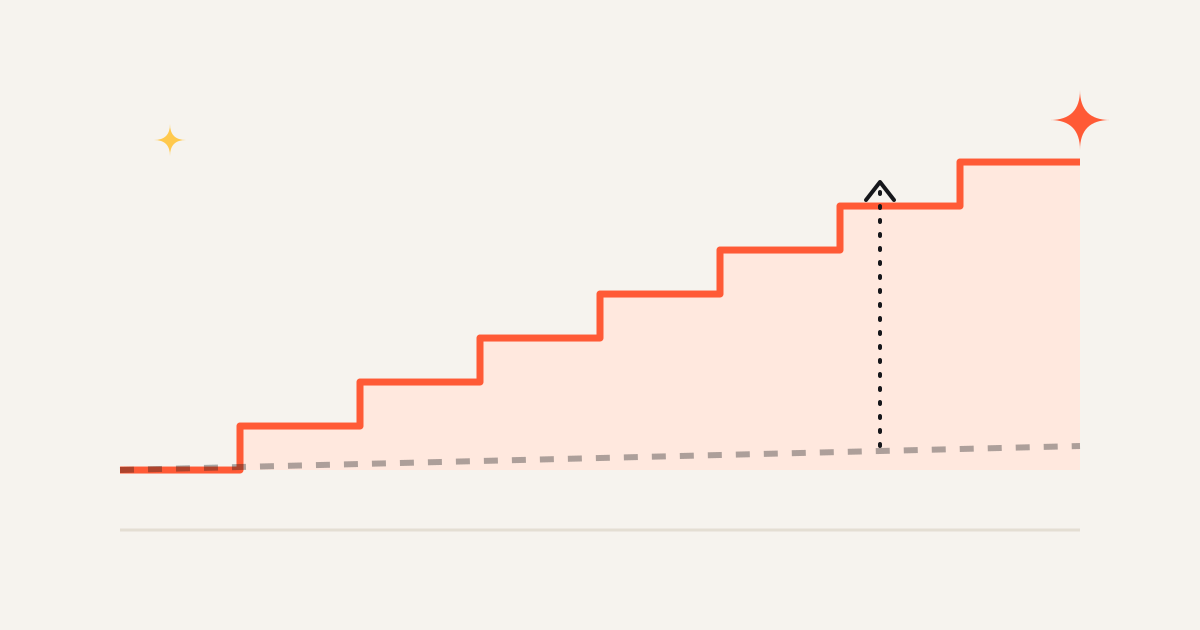
Most software teams ship something every week. A faster report, a new filter, a fixed sync, an integration a customer asked for six months ago. Ask a typical customer what changed in the product this quarter, though, and the answer is usually a shrug. Their picture of your product froze at the last demo, the last QBR or the last time they had a reason to look closely.
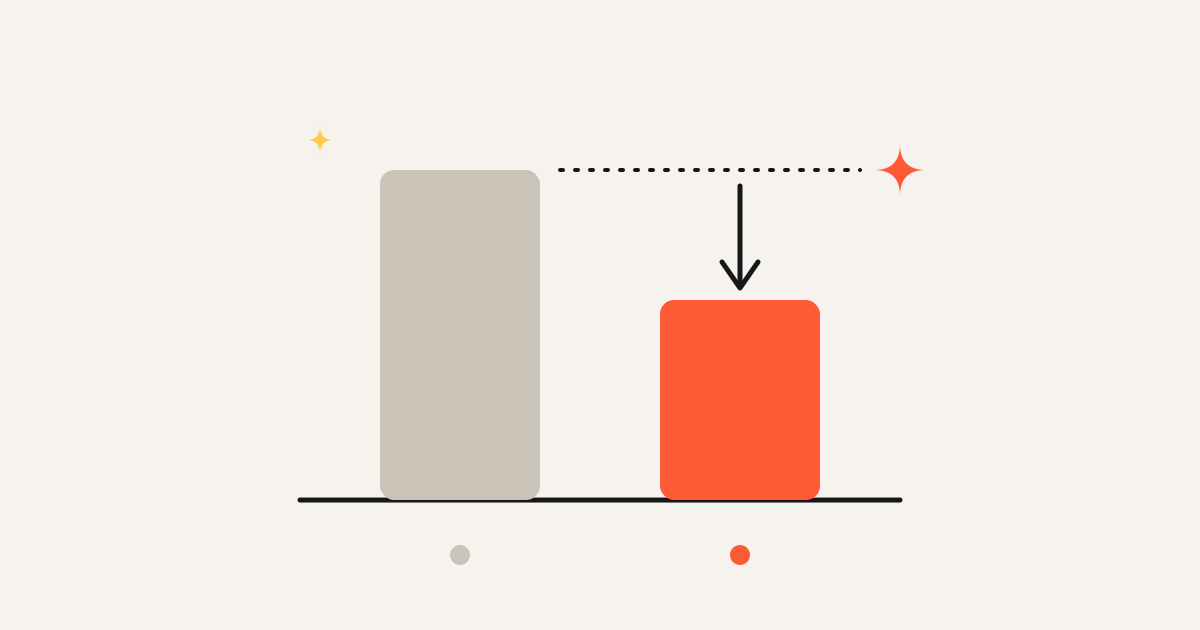
We call the distance between what you shipped and what each customer knows about it the value distribution gap. Shipping got easy. Getting your customers to notice didn't. And customers renew on what they know and remember, not on what you built.
The scale of the problem
Pendo's 2019 Feature Adoption Report found that 80 percent of features in the average software product are rarely or never used. That number gets quoted mostly as a product problem: teams build the wrong things. Part of it is. But a large share of unused features are useful to someone who simply never found out they exist, or never connected them to a problem they have.
A feature nobody hears about produces the same renewal outcome as a feature nobody built. The engineering cost is spent either way.
Why the gap forms
None of the causes are dramatic. They are the normal way most companies handle product news.
Release notes are written for everyone, so they reach no one
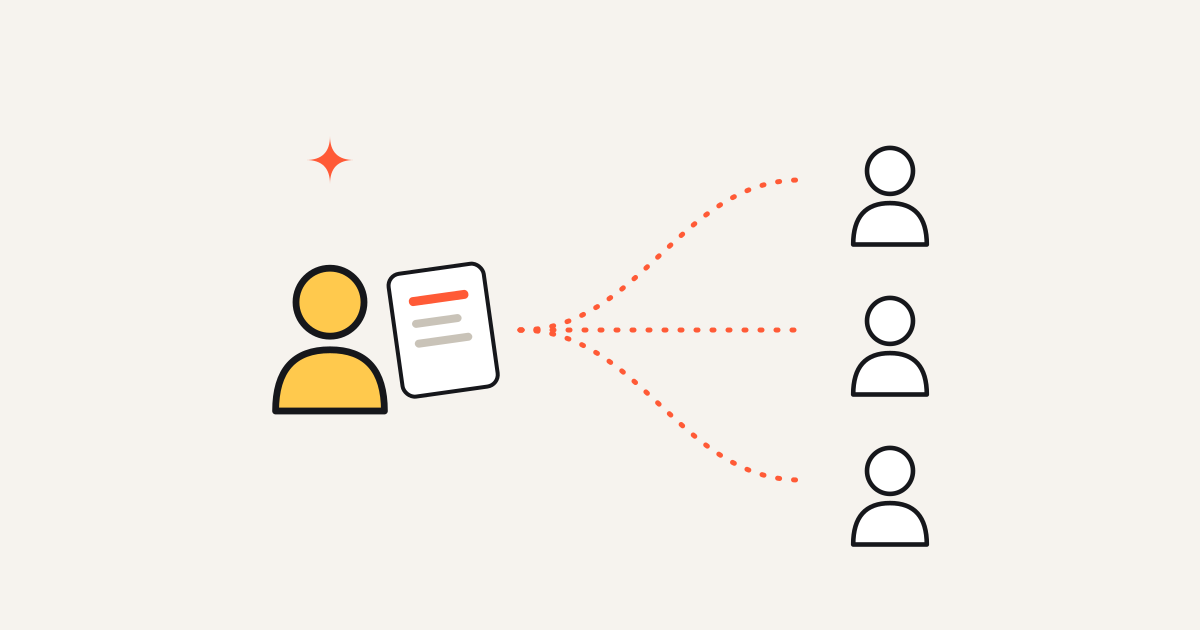
The standard channel for product change is a broadcast: a changelog page, a monthly newsletter, an in-app banner. Each one lists every change for every customer. A logistics manager at one account and a finance lead at another get the same list, and each has to work out which item, if any, matters to them. Most don't try. Broadcasts are useful as a record, but as a way to change what a specific person believes about your product, they rarely work.
Reps don't know what changed
Account executives, account managers and CSMs are the people customers actually listen to. They are also usually the last to hear what the product team shipped. A rep with forty accounts, a quota and a full calendar does not read pull request titles or sprint summaries. When they do see a release note, it is written in the product team's language, and translating it into "this matters to Acme because of the issue they raised in March" is work nobody has assigned to them.
Nobody maps change to account
This is the core of it. To tell the right customer about the right change, someone has to hold two lists in their head: everything that shipped, and everything each account cares about. The product team knows the first list. The account team knows parts of the second, scattered across CRM notes, support tickets, call recordings and feature requests. The mapping between the two is nobody's job, so it mostly doesn't happen.
What the gap costs
The cost shows up later, in conversations where it is hard to trace back to the cause.
Renewals argued on old memories
When a renewal comes up, the customer's buying committee evaluates the product they remember. If their mental model dates from onboarding eighteen months ago, every improvement since then is invisible to the decision. Competitors pitching a fresh demo have an easy job: they are compared against your product as it was, not as it is.
Upsells never raised
Expansion usually starts with a customer realizing your product can do more for them than it does today. If the new module, the higher tier's new capability or the integration they wanted never reaches them in terms of their own work, the conversation never starts. The rep doesn't raise it because they don't know it's relevant. The customer doesn't ask because they don't know it exists.
Champions without proof
Your internal champion has to defend the budget line every year. They need evidence that the product keeps getting better and keeps paying off. Without it, they are defending a purchase on faith, and faith loses to a cost-cutting review. A champion who can forward a concrete note to their boss, with numbers from their own account, has a much easier time.
What closing the gap per account looks like
The fix is to stop treating product news as a broadcast and start treating it as account work. That means a few specific things.
Start from the change, then find who it matters to
For every meaningful change, ask which accounts and people it is relevant to, and why. The signals are usually already in your systems: the ticket someone filed, the feature request they voted on, the deal note where a prospect asked about it, the usage data showing they work around the old limitation every week.
Say a prospect asked about bulk export during a demo last month and the deal stalled. When bulk export ships, that prospect should hear about it from the AE who ran the demo, with a line that references the original question. That one message does more than a line item in a newsletter ever could.
Send it from the person who owns the relationship
Customers read messages from their rep or CSM. They skim messages from a marketing address. The note should come from the person they already talk to, in that person's voice, through the channel they already use: email, a shared Slack channel, Teams, an in-app message or a short video.
Show the change in their own data where you can
"We improved our estimates" is a claim. "Your estimates are 3 hours more accurate across 412 shipments this month" is evidence, and it is the kind a champion can paste into an internal email. When a change can be measured in the customer's own account, measure it and lead with that number. The figures in that example are illustrative, but the shape is the point: a specific result, in their data, tied to a change you made.
Keep a human in the loop and respect attention
Relevant messages lose their value if there are too many of them. Cap how often any one person hears from you, and keep the bar high. The exception is a fix for a problem someone reported themselves: that message should go out the moment it ships, because it closes a loop they opened. And a person should approve every message before it goes out, because the rep is putting their name on it.
Measuring whether it works
You can tell the gap is closing when customers start referencing recent changes on their own. Watch for adoption of new features among the accounts that were told about them, replies to the messages, and how often recent improvements come up in renewal and QBR conversations. Those are leading signals. Retention and expansion follow, slower.
We built Cheerblast to do this mapping and drafting for every change, for every account, so reps approve messages instead of writing them from scratch. If your team ships faster than your customers notice, take a look at Cheerblast.